
NC Mountain Homes for Sale – What to Know Before You Buy
There is a reason people start looking at NC mountain homes and quickly find themselves picturing a different kind of everyday life.
Maybe it starts with a weekend in Boone, a drive along the Blue Ridge Parkway, a ski trip to Sugar Mountain, dinner in Banner Elk, or a quiet morning in Blowing Rock when the air feels cooler and the pace feels a little easier. For some buyers, the dream is a full move. For others, it is a second home, a vacation cabin, a rental property, or a piece of land where they can eventually build something of their own.
Whatever brought you here, buying property in the North Carolina mountains is different from buying in a flatland suburb or city neighborhood. The views are beautiful, but the terrain matters. The towns are charming, but each one has its own rhythm. A driveway, road, elevation, septic system, well, rental rules, or winter access question can matter just as much as the number of bedrooms.
That is why it helps to look beyond the listing photos and think carefully about how you actually want to use the property.
At NC Mountain Properties, the focus is on helping buyers understand Boone, Banner Elk, Blowing Rock, Beech Mountain, Sugar Mountain, and the surrounding High Country communities with a practical, local point of view. This guide is a starting place for comparing areas, property types, lifestyle considerations, and the details that matter when buying a home in the NC mountains.
Why Buyers Love the North Carolina Mountains
The NC mountains offer something that feels increasingly rare: space, scenery, seasons, and a real sense of place.
Buyers are drawn here for many reasons. Some want cooler summer temperatures and long-range views. Some want easy access to hiking, skiing, fishing, biking, golf, restaurants, and small-town events. Others are looking for a slower pace without feeling disconnected from daily conveniences.
The High Country is especially appealing because it offers a mix of mountain beauty and year-round livability. Boone has the energy of a college town and the practical conveniences that come with it. Blowing Rock offers a classic village feel with shopping, dining, and scenic access close by. Banner Elk feels polished and resort-oriented, with easy access to ski slopes, wineries, restaurants, and outdoor recreation. Beech Mountain and Sugar Mountain attract buyers who want elevation, winter sports, vacation rental potential, and a true mountain getaway feel.
For many buyers, the appeal is not just one feature. It is the combination of lifestyle, scenery, investment potential, and personal connection. A mountain home can be a place to gather with family, work remotely, retire, host guests, escape the summer heat, or build long-term roots in a community that feels different from anywhere else.
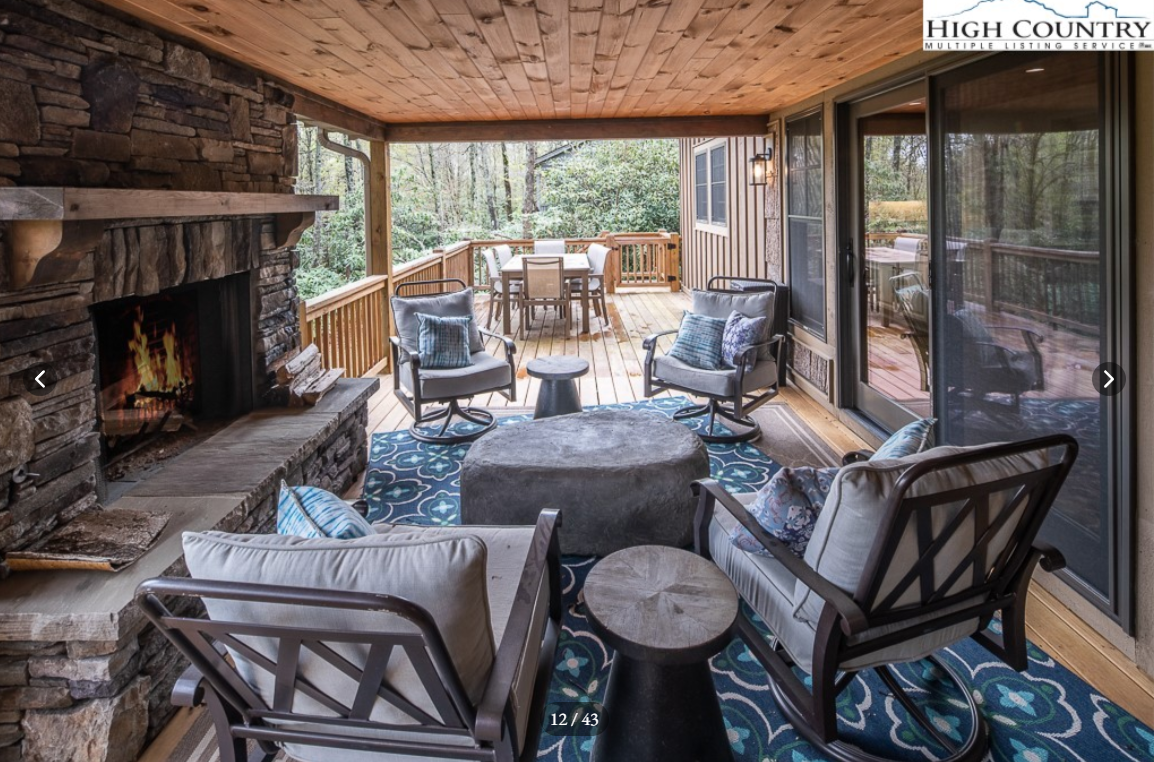
What Makes High Country Real Estate Different?
Buying real estate in the mountains comes with unique considerations. Some are obvious right away. Others only become clear once you have spent time touring properties with someone who knows what to look for.
The first major difference is terrain. A home may have a stunning view, but you also need to consider the slope of the lot, the grade of the driveway, the condition of the road, and how comfortable you will be accessing the property in winter weather. A steep gravel driveway may feel charming in October and very different in January.
Utilities can also vary. Some properties are connected to municipal water and sewer, especially closer to town. Others may rely on a private well and septic system. That is not necessarily a problem, but it does mean inspections, maintenance, and capacity matter. If you plan to expand the home, add bedrooms, or use the property as a rental, septic information becomes especially important.
Internet access is another key detail. Many buyers come to the mountains planning to work remotely, stream entertainment, or host guests who expect reliable connectivity. Service can vary from one road to the next, so it is worth confirming options early instead of assuming.
Short-term rental rules also deserve close attention. Some neighborhoods welcome vacation rentals. Others restrict them. Town rules, county rules, HOA covenants, resort community regulations, and deed restrictions can all affect what you are allowed to do. If rental income is part of your plan, this needs to be part of the search from the beginning.
Mountain homes can also require different maintenance expectations. Roofs, decks, drainage, retaining walls, crawl spaces, fireplaces, driveways, and exterior materials all work harder in a mountain climate. A beautiful cabin can be a great purchase, but you want to understand what ownership will actually require.
Best Places to Buy a Mountain Home in Northwest North Carolina
There is no single “best” place to buy in the NC mountains. The right location depends on your lifestyle, budget, property goals, and how you plan to use the home.
Some buyers want to be close to restaurants, grocery stores, healthcare, and year-round activity. Others want privacy, acreage, and a quiet road with a long-range view. Some want a ski condo that can be rented when they are not using it. Others want a full-time home with easy access year-round.
Here is a practical look at several of the most popular High Country areas.
Boone, NC – A Year-Round Mountain Town
Boone is one of the most recognizable towns in the North Carolina High Country. It is home to Appalachian State University, a lively downtown, local restaurants, shops, medical services, grocery options, and year-round community activity.
For buyers who want mountain living without feeling too remote, Boone is often a strong fit. It offers a wide range of property types, including in-town homes, mountain cabins, condos, townhomes, investment properties, and homes with acreage outside the town center.
Boone can work especially well for full-time residents, families, university-connected buyers, remote workers, and second-home owners who want convenience. The surrounding areas also offer more privacy and scenic settings while still keeping town amenities within reach.
When looking at Boone NC homes for sale, pay close attention to location. A property near downtown Boone will feel very different from one tucked away in Vilas, Deep Gap, Todd, or other nearby communities. Drive time, road type, elevation, and access can vary widely, even when properties appear close together on a map.
Learn more in the supporting guide to Boone NC homes for sale.
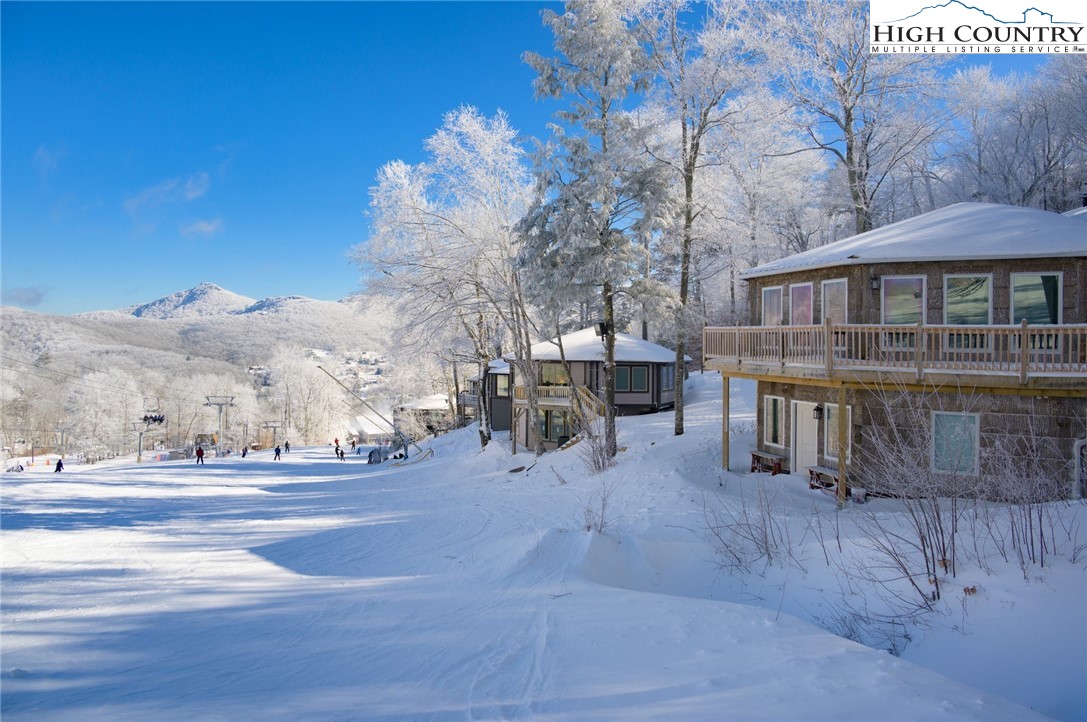
Discover Ski Access, Dining, and Resort-Style Mountain Living in Banner Elk, NC
Banner Elk has become one of the most desirable mountain towns in the High Country for buyers who want a blend of scenery, recreation, dining, and resort access.
The area is close to both Sugar Mountain and Beech Mountain, which makes it especially popular with ski-home buyers and vacation-home shoppers. Banner Elk also has a strong dining scene, local shops, nearby wineries, golf communities, and beautiful mountain views.
Homes in and around Banner Elk can range from cozy cabins and condos to luxury mountain homes, gated community properties, and land for future building. Some buyers are looking for a weekend escape. Others are searching for a home that can serve as both a personal retreat and a vacation rental.
Banner Elk is a good place to think carefully about how you will use the property. Do you want to be close to town? Near the slopes? Inside a resort-style community? On a quiet road with a view? Each choice creates a different ownership experience.
Explore the supporting guide to Banner Elk, NC homes for sale.
Find Classic Mountain Charm in Blowing Rock, NC
Blowing Rock has a different feel from many mountain towns. It is known for its walkable village, historic charm, restaurants, boutiques, inns, galleries, and easy access to the Blue Ridge Parkway.
For buyers who want a refined, classic mountain setting, Blowing Rock is often high on the list. It can be a strong fit for second-home buyers, retirees, luxury buyers, and anyone who wants to enjoy the mountains while being close to a polished small-town center.
Blowing Rock homes can include historic properties, cottages, condos, mountain-view homes, luxury estates, and homes tucked into established neighborhoods. Because the area is highly desirable, buyers should be prepared to move thoughtfully and understand how location affects value.
A home within walking distance of Main Street offers a different lifestyle than a property outside town with acreage and views. Both can be excellent choices, but they serve different goals.
Read the supporting guide to Blowing Rock, NC homes for sale.
Buying Near the Ski Slopes is Easy on Beech and Sugar Mountain
If skiing, snowboarding, elevation, and vacation rental appeal are high priorities, Beech Mountain and Sugar Mountain deserve serious consideration.
These areas are especially attractive to buyers who want a mountain home that feels like a true getaway. Condos, chalets, cabins, and slope-area homes are all common options. Some properties are used mostly in winter, while others are enjoyed year-round for hiking, biking, cool summer temperatures, views, and mountain events.
Beech Mountain is known for its elevation and ski-town personality. Sugar Mountain offers convenient access to skiing, golf, tennis, tubing, and nearby Banner Elk amenities. Both areas can be great for second homes and vacation properties, but buyers should understand the practical side of ownership.
Winter access matters. Parking matters. HOA rules matter. Rental restrictions matter. So do heating systems, exterior maintenance, road conditions, and whether the property is easy for guests to find and use.
If rental income is part of your plan, it is important to look at more than the number of bedrooms. Consider location, access, layout, guest experience, rules, fees, and how the property will perform across multiple seasons.
Explore homes with easy access to the slopes on Sugar Mountain and Beech Mountain.
Mountain Cabins, View Homes, Condos, Land, and Acreage
One of the best parts of searching for NC mountain homes is the variety of property types. The challenge is knowing which one actually fits your goals.
A cabin may be the classic mountain dream. Cabins can feel warm, memorable, and easy to enjoy as a vacation home. But buyers should look closely at maintenance, heating, plumbing, foundation, roof condition, driveway access, and whether the layout works for everyday use.
A long-range view home can be spectacular. Views often drive emotional appeal and long-term value, but they also come with questions. Is the view protected? Are there trees that will grow into the view? Is the home exposed to wind or weather? Is the road manageable year-round?
Condos and townhomes can be attractive for buyers who want lower maintenance, especially near ski areas or town centers. They may offer convenience and rental potential, but HOA rules, dues, assessments, and rental policies need to be reviewed carefully.
Land and acreage appeal to buyers who want to build, hold property for the future, or create a more private retreat. Mountain land requires careful due diligence. A beautiful parcel may still need road improvements, a septic permit, a well, a driveway plan, grading, utility access, and confirmation that the intended home can actually be built there.
The right choice depends on whether you want simplicity, privacy, rental income, views, convenience, or room to create something from scratch.
See the supporting guide to NC mountain land for sale.
Buying a Second Home in the NC Mountains
Many High Country buyers are not moving full-time right away. They may be coming from Charlotte, Raleigh, Winston-Salem, Greensboro, Atlanta, Florida, or other areas and looking for a place to use on weekends, holidays, summers, or ski trips.
A second home can be a wonderful investment in lifestyle, but it should be chosen with real use in mind.
Start by asking how often you will realistically visit. A home that is perfect for two long summer trips may not be the same home you would choose for frequent weekend use. Drive time, road access, cleaning, maintenance, and guest turnover can affect how much you actually enjoy the property.
Next, think about whether you plan to rent the home when you are not using it. If so, rules and location become even more important. Guests tend to value easy access, reliable internet, comfortable parking, proximity to activities, and clear expectations. A remote cabin may be perfect for personal use but less practical as a rental if the road is difficult or services are limited.
Maintenance is another major consideration. If you live several hours away, you may need local contacts for cleaning, repairs, landscaping, snow removal, inspections, and emergency issues. Even a low-maintenance property needs someone nearby who can help when something comes up.
What to Consider Before Making an Offer
Once you find a mountain home you like, the next step is slowing down enough to evaluate the details.
A strong offer is not just about price. It is also about understanding the property, the seller’s situation, the inspection needs, and the risks that should be addressed before closing.
Before making an offer on a mountain home, buyers should consider:
- The condition of the road and driveway
- Whether access is public, private, paved, gravel, or shared
- Winter access and snow removal expectations
- Water source and septic system details
- Internet and cell service availability
- HOA rules, dues, and restrictions
- Short-term rental permissions
- Survey, boundaries, and easements
- Drainage, grading, decks, and retaining walls
- Heating systems and fireplace condition
- Roof age and exterior maintenance
- Proximity to town, recreation, and services
- Insurance considerations
- Future resale appeal
Some of these items may sound technical, but they directly affect daily life. A beautiful home can become frustrating if the driveway is too steep for your comfort, the rental rules do not match your plan, or the internet cannot support remote work.
The goal is not to scare buyers away from mountain ownership. It is to help you buy with clear eyes.
Why Local Guidance Matters
Online listings are useful, but they do not tell the full story of a mountain property.
Photos may show the view without showing the driveway. A map may show that a home is “close” to town without revealing the road conditions. A listing may mention rental potential without explaining neighborhood restrictions. A property may look like a great deal until you learn about access, repairs, septic limitations, or location tradeoffs.
Working with a local real estate professional matters because High Country real estate is highly specific. Boone, Banner Elk, Blowing Rock, Beech Mountain, Sugar Mountain, and the surrounding communities all have their own patterns, pricing expectations, buyer demand, and practical considerations.
A local agent can help you compare areas honestly, identify red flags, understand property value, structure an offer, coordinate inspections, and think through long-term ownership. Just as important, a local agent can help you avoid wasting time on properties that look right online but do not fit your actual goals.
At NC Mountain Properties, the goal is to help buyers find the right fit, whether that means a full-time home, second home, cabin, condo, ski property, investment property, land, or acreage in the North Carolina High Country.
Start Your NC Mountain Home Search
Buying a mountain home should be exciting, but it should also be thoughtful.
The right property is not always the one with the most dramatic listing photo. It is the one that fits how you want to live, visit, rent, maintain, and enjoy the mountains over time.
Whether you are just beginning to compare towns or you are ready to tour homes, NC Mountain Properties can help you understand the market with a local perspective. From Boone and Blowing Rock to Banner Elk, Beech Mountain, Sugar Mountain, and nearby mountain communities, there are many ways to create the High Country lifestyle you are looking for.
If you are ready to explore NC mountain homes for sale, start by narrowing your priorities. Think about town, drive time, views, access, budget, rental goals, property type, and how often you plan to use the home. From there, a focused search becomes much easier.
